What Are Reflex Games? A Guide to the Genre and Why They're Addictive
Call a game “reflex” and people picture a light going green. That is the smallest version of the genre. The useful definition is broader: a short session, a readable stimulus, a decision that must happen now, and a score that tells you whether the decision was clean. Sometimes the decision is go/no-go. Sometimes it is which tile, which letter, which lane of thought. The clock is doing the design work that a three-hour match does with structure.
This is a genre guide, not a catalog dump. GAMEAREA’s live quick-session games in this family are Sum Sprint (exact sums, overshoot costs a life) and Word Forge (letters in order, a wrong tap resets the word). Classics such as Tavla still use a clock on your turn, but they are not reflex games; they are turn-based tables. Keep the labels honest. For the lab vocabulary of simple versus choice reaction, see the science behind reaction time.
The core loop
A reflex-style game shows you a situation that would be easy if you had ten seconds and is interesting because you have one. You act or you withhold. The game answers immediately: points, combo, miss, life lost. Then it shows you another situation. Sessions often finish in a few minutes because the loop has no “setup chapter.” You are in it on the first beat.
That tightness is why the genre fits browsers and phones. You do not learn an opening book. You learn a mapping. The mapping can still be deep: Sum Sprint’s mapping is “subset of tiles equals target, never over.” Word Forge’s mapping is “this word, these letters, this order.” Neither is a pure mash-the-go-light test. Both still belong in the reflex-adjacent bucket because time is the antagonist.
Why people say “one more run”
The start-up cost is near zero. The skill ceiling is not. You can fail a Sum Sprint target on your first attempt and still understand the rule. You can also fail it on your hundredth because you grabbed a 9 when remainder was 8. Easy to try, hard to perfect — that pair is older than browsers. It is also why a score number matters. Without a comparable result, a two-minute game evaporates. With a daily board, the two minutes have a ghost. See all-time versus daily.
The honest version of “addictive” is: the loop is short enough to restart, and the error is readable enough to blame yourself instead of the tutorial. If you cannot tell why you died, you will not restart. You will uninstall. Fair feedback is the genre’s actual craft.
What makes one good versus empty
A weak reflex game only asks for speed. Tap as fast as possible, no withhold, no choice, no scoring story except “more taps.” That gets old when the novelty of the animation wears off.
A stronger one adds a decision that can go wrong in an interesting way:
- Withhold (do not tap the decoy / do not add the extra tile)
- Select (which subset, which letter)
- Sequence (order matters)
- Streaks (a miss costs more than one beat because the combo dies)
Sum Sprint has withhold and select: the overshoot is the decoy you gave yourself. Word Forge has sequence: the wrong letter is a false alarm with a full-word tax. You can prefer one and still recognize both as “quick session with teeth.”
Worked example: the same second, two games
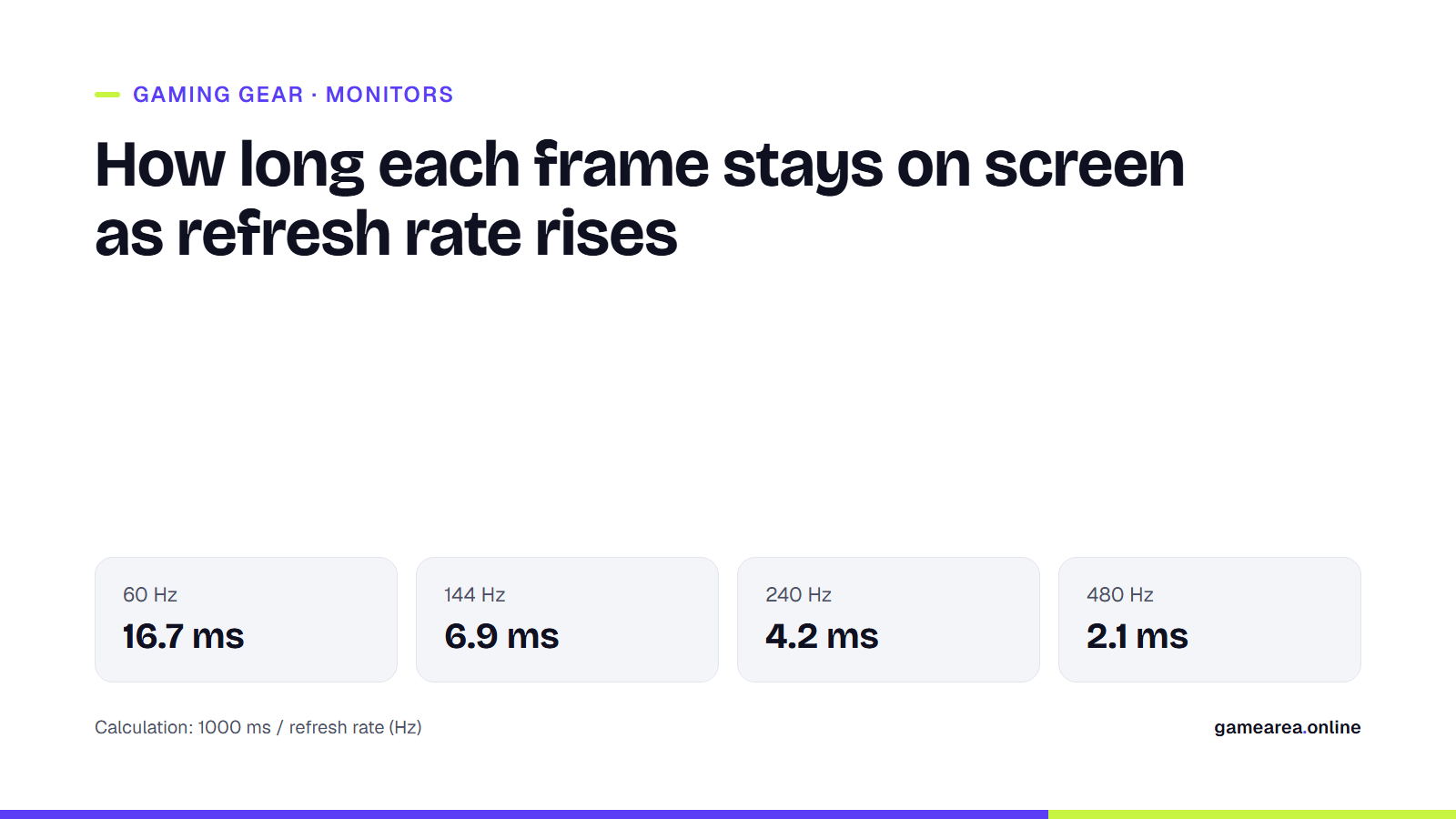
You have roughly a second of attention. In Sum Sprint the target is 20, tiles include 9, 8, 7, 4. The fast wrong play is 9+8+7. The fast right play is 9+7+4 or 8+7+4+1 if a 1 existed. The skill is inhibition plus remainder. In Word Forge the masked word is four letters, and among the seven tiles you see W, O, R, D, K. You start W-O-R… and the fourth letter is not K if the word is WORD. Tap K and the word resets. The skill is not seeing K faster. It is not tapping K. Same second, different choice. That is the genre at its best: a decision, not a twitch contest with the display’s refresh rate.
Where classics still belong in the conversation
If your “reflex” itch is actually “I have eight minutes,” a reversi game or a domino round may satisfy it better than a blitz you do not enjoy. Time-to-complete is not the same as genre. Use the quick-session arcade criteria when you want design traits, and the criteria for reflex games when you want this genre specifically.
Play the live pair that matches the definition: Sum Sprint for number choice, Word Forge for letter sequence. No download, no need to pretend a turn-based classic is a reflex title.
How to pick a reflex-style game without lying to yourself
Use this checklist on any site, including this one:
- Can you say the rule in one sentence before the first tap?
- Is there a wrong action, not only a late one? Withhold, select, or sequence must exist.
- Does a miss change the story (life, combo, word reset) or is every error the same shrug?
- Can you name why you failed five seconds later?
- Is the public score attached to an account, or can a tab type a number onto a wall?
Sum Sprint passes: exact subset, overshoot costs a life, remainder is the post-mortem. Word Forge passes: letters in order, wrong tap resets the word, you can say “I guessed T.” A mash-the-sparkles toy fails step 2 and 4. A five-minute Reversi game fails step 1 as a reflex definition even if it is a fine short session — it is a strategy game with a clock on the turn. Keep the labels so you know which skill you meant to train.
Common mistakes in the genre
Calling every short game a reflex game. Domino, 9×9 Go, and chess can finish in a break. They still want planning. If you wanted a continuous real-time loop, sit on the blitz pair. If you wanted an opponent, sit on a classic and stop stretching this genre.
Training simple RT when the game is choice RT. Tapping the instant a tile appears in Sum Sprint is how you overshoot. The mapping is “select a subset.” Word Forge’s mapping is “this next letter.” Letter-order habits are in the Word Forge tips guide. Speed without the mapping is just early taps.
Marathoning until errors are stupid. Fatigue turns choice into mash. End the run. The daily board will still be there tomorrow — those windows.
Comparison, one table in prose: arcade-quick-session (readable, scored, restartable) is the super-set. Reflex-adjacent is the subset where time is the antagonist and the loop is continuous. Turn-based classics can be quick without joining that subset. GAMEAREA’s live examples of the subset are Sum Sprint and Word Forge. Live examples of the other set are Tavla, Okey, Reversi, Domino, chess, checkers, Go. Play the set you actually wanted.
Frequently asked questions
Are all short games reflex games?
No. A five-minute reversi match is short and still a strategy game. Reflex here means a continuous real-time decision loop scored on speed and accuracy, not a short clock on a turn.
Is Sum Sprint really a reflex game?
It sits on the choice-reaction side: you select tiles under time. It is not a single go-light. That still fits how most players use the word when they want a quick, scored session.
What if I want a table, not a timer?
Play a live classic such as Tavla or Okey 101. Do not force those into this genre just because a session can be brief.
Why do combos matter?
They make a miss expensive. Without a streak tax, every mistake is the same size and the run has no story.
What should I try first on GAMEAREA?
Start on Sum Sprint if you like numbers, Word Forge if you like words. Both are live, browser, and honest about errors.